



UPS SERVICE
Shipping & Returns
STORES
Find retail locations
FREE SHIPPING
For orders above €100
CUSTOMER CARE
For All Your Questions
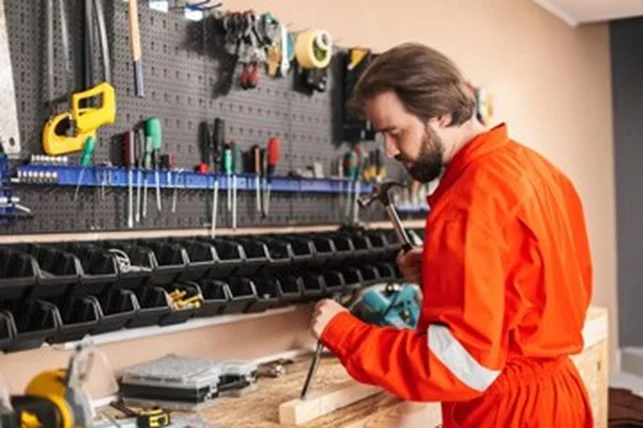
Delays in maintenance rarely come from complex failures. More often, it’s something simple, like the wrong tool at the wrong time or a missing piece in a kit. In high-stakes environments such as aviation and heavy industry, that small inefficiency can quickly turn into lost hours and rising costs. This is exactly why Customized Aviation Tool Kits have become a practical solution, not just a convenience.
This blog looks at how tailored tool kits improve workflow, support safety standards, and bring real operational value across aviation and industrial sectors.
Off-the-shelf kits look convenient. They come packed and ready. Still, real-world operations rarely match a standard setup. Different teams, different workflows, different compliance needs.
Aviation maintenance equipment, for example, deals with strict tool control systems. Every tool must be tracked. Every piece must return. A generic kit cannot keep up with that level of precision.
Industrial settings face a similar issue. Maintenance teams often waste time searching, swapping, or adjusting tools that don’t quite fit the job.
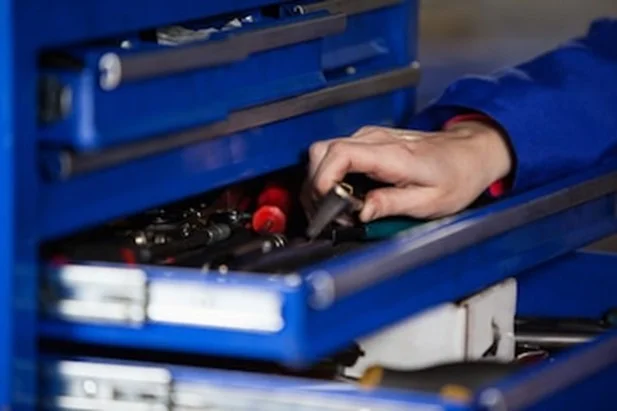
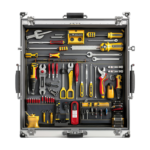
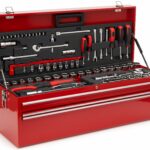
Customized kits are built around actual usage, not assumptions. Tools are selected based on tasks, frequency, and environment. Solutions like Sonta Tools Customized kits further enhance this by offering precision-designed setups tailored to specific operational needs.
Key advantages include:
That shift might seem small. It isn’t. It directly impacts turnaround time and operational efficiency.
Aviation is unforgiving when it comes to errors. Even a single misplaced tool can ground an aircraft. Aircraft tool kits designed for aviation maintenance equipment bring structure and accountability.
Practical benefits in aviation:
Airlines and MRO facilities increasingly rely on these systems. According to industry reports, tool control programs significantly reduce maintenance delays and safety risks.
Technicians also work with more confidence. Everything is where it should be. No second-guessing.
Factories, oil and gas facilities and heavy industries work under the unceasing pressure to reduce downtime. Customized kits support that goal.
A maintenance technician working on rotating equipment, for instance, doesn’t need 100 tools. Only the right 15. Having those tools organized and ready cuts wasted motion.
Efficiency improves in quiet ways:
Over time, those small gains stack up. Teams complete more work in less time without pushing harder.
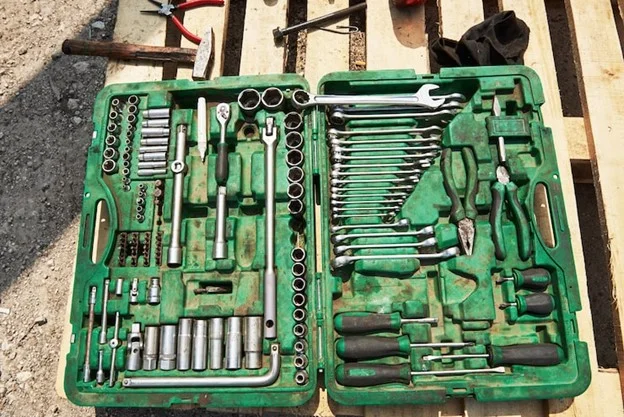
Building the right kit is not about adding more tools. It’s about adding the right ones.
A simple approach:
Many companies also integrate digital tracking systems. That adds another layer of accountability, especially in aviation environments.
Maintenance teams that switch to customized aviation tool kits often report noticeable improvements within weeks. Less time spent searching. Fewer missing tools. Smoother inspections. One technician put it simply. You stop thinking about the tools and start focusing on the job.
Customized tool kits are not just about organization. They improve safety, speed up workflows, and reduce costly errors across both industrial and aviation sectors. Standard kits try to fit everyone. Customized solutions actually fit the work.
Companies looking to improve operational efficiency and safety should take this seriously. The difference shows up fast, and it lasts. For businesses aiming to streamline operations, providers like Sonta Tools offer practical, tailored approaches that align with real industry needs.

